




Serviços Personalizados
Journal

Artigo
 texto em
  Inglês (pdf)
 Artigo em XML
 Tradução automática
 Enviar este artigo por email
Compartilhar

 Permalink
Avaliação: Revista da Avaliação da Educação Superior (Campinas)
versão impressa ISSN 1414-4077versão On-line ISSN 1982-5765
Avaliação (Campinas) vol.29 Sorocaba 2024 Epub 08-Out-2024
https://doi.org/10.1590/1982-57652024v29id279438
Article
The competency-based curriculum in the Physical Education course at Unijuí: implementation process and initial impacts

2Regional University of Northwestern Rio Grande do Sul (Unijuí) | Ijuí | Rio Grande do Sul | Brazil
The article presents the implementation process, as well as the initial results, of the competency-based curriculum in the Physical Education course in Unijuí. Based on his experiences as a course coordinator and teacher in curricular components, the author makes a brief and concise assessment of the implementation of the curriculum in its first two years. The text is developed from a descriptive perspective, organized into five parts: indication of the context and aspects that influenced the creation of a new curriculum; presentation of the structure that makes up the curriculum; description of the methodological choices used in the development of the curriculum; analysis of the initial impacts of the restructuring and implementation of the course in the first two years; highlighting successes and difficulties in the process. The results indicate that the current curriculum has enabled expanded training for academics considering the analysis of the possibility of effective mobilization of what is studied, in contrast to the professional field. Academics consider the new way of organizing the course to be productive, giving merit to the methodological procedures and actions of teachers who aim to improve their knowledge. The collaborative planning and study experience allowed teachers to qualify their actions and recognize that they need to study permanently. It is evident that, on the one hand, there have been advances in a number of aspects and, on the other, there are important points to evolve, since teachers move and position themselves at different levels, in relation to the planning, development and evaluation of classes by skills.
Keywords curriculum; competence; university education.
O artigo apresenta o processo de implementação, bem como os resultados iniciais, do currículo por competências no curso de Educação Física na Unijuí. A partir das experiências como coordenador do curso e docente em componentes curriculares, o autor faz uma breve e concisa avaliação da implementação do currículo em seus dois primeiros anos. O texto é desenvolvido em uma perspectiva descritiva, organizado em cinco partes: indicação do contexto e os aspectos que influenciaram a criação de um novo currículo; apresentação da estrutura que compõe o currículo; descrição das escolhas metodológicas utilizadas no desenvolvimento do currículo; avaliação dos impactos iniciais da reestruturação e implementação do curso nos primeiros dois anos; apontamento de êxitos e dificuldades no processo. Os resultados indicam que o currículo atual tem possibilitado uma formação ampliada aos acadêmicos, considerando a análise da possibilidade de mobilização efetiva do que se estuda, em contraste com o campo profissional. Os acadêmicos consideram o novo modo de organização do curso produtivo, conferindo méritos aos procedimentos metodológicos e às atuações dos professores que visam o aprimoramento dos seus conhecimentos. A experiência de planejamento e estudo colaborativo permitiu aos professores qualificarem suas atuações e reconhecerem que precisam estudar permanentemente. Evidencia-se que, por um lado, ocorreram avanços em uma série de aspectos e, por outro, há pontos importantes a evoluir, uma vez que os docentes se movimentam e se posicionam em níveis diferentes, em relação ao planejamento, desenvolvimento e avaliação das aulas por competências.
Palavras-chave: currículo; competências; educação superior.
El artículo presenta el proceso de implementación, así como los resultados iniciales, del currículo por competencias en la carrera de Educación Física en Unijuí. A partir de sus experiencias como coordinador de cursos y docente en componentes curriculares, el autor hace un breve y conciso balance de la implementación del plan de estudios en sus dos primeros años. El texto se desarrolla desde una perspectiva descriptiva, organizado en cinco partes: indicación del contexto y aspectos que influyeron en la creación de un nuevo currículo; presentación de la estructura que conforma el currículo; descripción de las opciones metodológicas utilizadas en el desarrollo del currículo; análisis de los impactos iniciales de la reestructuración e implementación del curso en los dos primeros años; destacando los éxitos y dificultades en el proceso. Los resultados indican que el currículo actual ha permitido ampliar la formación de los académicos considerando el análisis de la posibilidad de movilización efectiva de lo estudiado, en contraste con el ámbito profesional. Los académicos consideran productiva la nueva forma de organizar el curso, valorando los procedimientos metodológicos y acciones de los docentes que apuntan a mejorar sus conocimientos. La experiencia de planificación y estudio colaborativo permitió a los docentes calificar sus acciones y reconocer que necesitan estudiar permanentemente. Es evidente que, por un lado, ha habido avances en una serie de aspectos y, por el otro, hay puntos importantes por evolucionar, ya que los docentes se mueven y posicionan en diferentes niveles, en relación con la planificación, desarrollo y Evaluación de clases por habilidades.
Palavras clave diseño curricular; competencia; educación universitaria.
1 Context and elements of curriculum development
The transition from a content-based teaching model to a competency-based perspective in the Physical Education course at the Regional University of Northwestern Rio Grande do Sul (Unijuí) is part of a broader movement initiated by the institution in 2020. Considering the constant changes in various aspects of society, particularly in the educational sphere, Unijuí, at the beginning of the third decade of the 21st century, recognized the need to revise its initial training proposal. After months of studies and preparation, involving many faculty members and staff from the Office of Undergraduate Education, 29 courses began to adopt competency-based training in 2021.
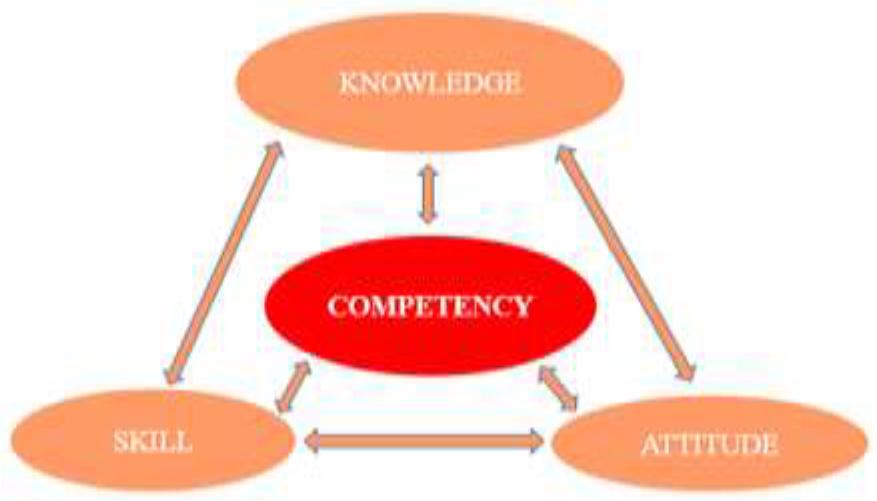
In this transition, the initial effort was to define the perspective of "competencies" that the institution would follow. As a result, a different understanding of competencies was adopted compared to what is hegemonic in the Brazilian academic context. Generally, the predominant concept views competence from a neoliberal perspective, focused on creating low-paid labor, which diminishes the critical-reflective nature of the content a perspective with which I also disagree. The understanding of competencies adopted as a reference at Unijuí was presented by Zabala and Arnau (2010), in which a competency involves three inseparable elements: knowing, doing, and being, ensuring that the teaching and learning process is carried out through challenges and everyday situations in real contexts. For better understanding, the authors suggest considering the "KSA" (Knowledge, Skill, and Attitude) to grasp the components of a competency, with these parts interconnected and mutually reinforcing, as highlighted in Figure 1.
This understanding is similar to the competency perspective adopted by the National Common Core Curriculum, which defines it as:
[...] the mobilization of knowledge (concepts and procedures), skills (practical, cognitive, and socio-emotional), attitudes, and values to address complex demands of everyday life, the full exercise of citizenship, and the world of work" (Brazil, 2017, p. 8).
In this sense, pedagogical practice aims at students' learning and development through the articulation of knowing, knowing-how, and knowing-how-to-be, within the framework of holistic education. This becomes meaningful when applied to everyday challenges and situations (Zabala; Arnau, 2010). For example, if a student is able to understand, apply knowledge in a real context, and act appropriately from an attitudinal perspective, they are mobilizing the constituent elements of a competency.
In addition to the changes resulting from the adoption of the competencybased approach, compliance with two Resolutions significantly altered the Physical Education course. The CNE/CES Resolution No. 6, dated December 18, 2018, which establishes the National Curriculum Guidelines for undergraduate Physical Education courses, influenced the curriculum structure by introducing a single entry point, with a future division into two stages - Bachelor’s and Licentiate degrees - beginning halfway through the program. Simultaneously, the CNE/CO Resolution No. 2 of 2019, which defines the National Curriculum Guidelines for Initial Teacher Education for Basic Education, was considered to determine the workload and themes of curricular components, internships, research activities, and extension activities, among other aspects, in the Licentiate stage1.
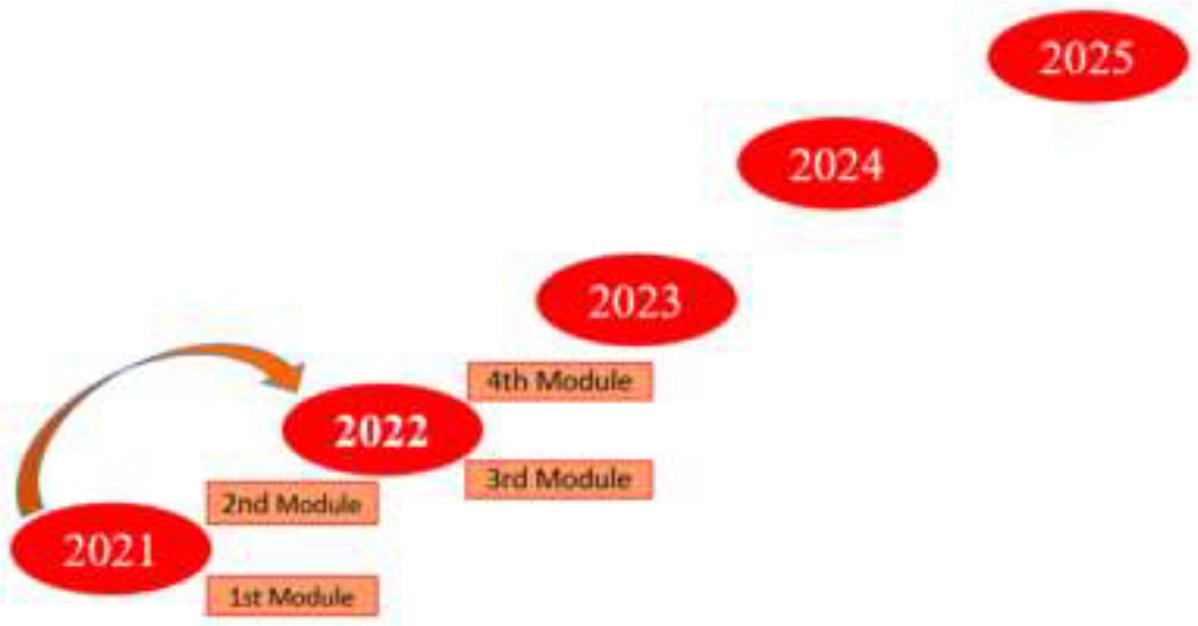
In this context, the new educational model in the Physical Education course at Unijuí was implemented in 2021, with a projected completion in five years. Since this text was written in 2023, the analysis focuses on the first two years of the new curriculum, as represented in the illustration.
2 The physical education curriculum at Unijuí
The process of developing the current Physical Education curriculum at Unijuí was long, challenging, and built through the collaboration of the faculty, mediated by the course coordination. To summarize the path taken and illustrate the steps of the curriculum structuring, I present the chronological sequence of the choices made and the actions carried out.
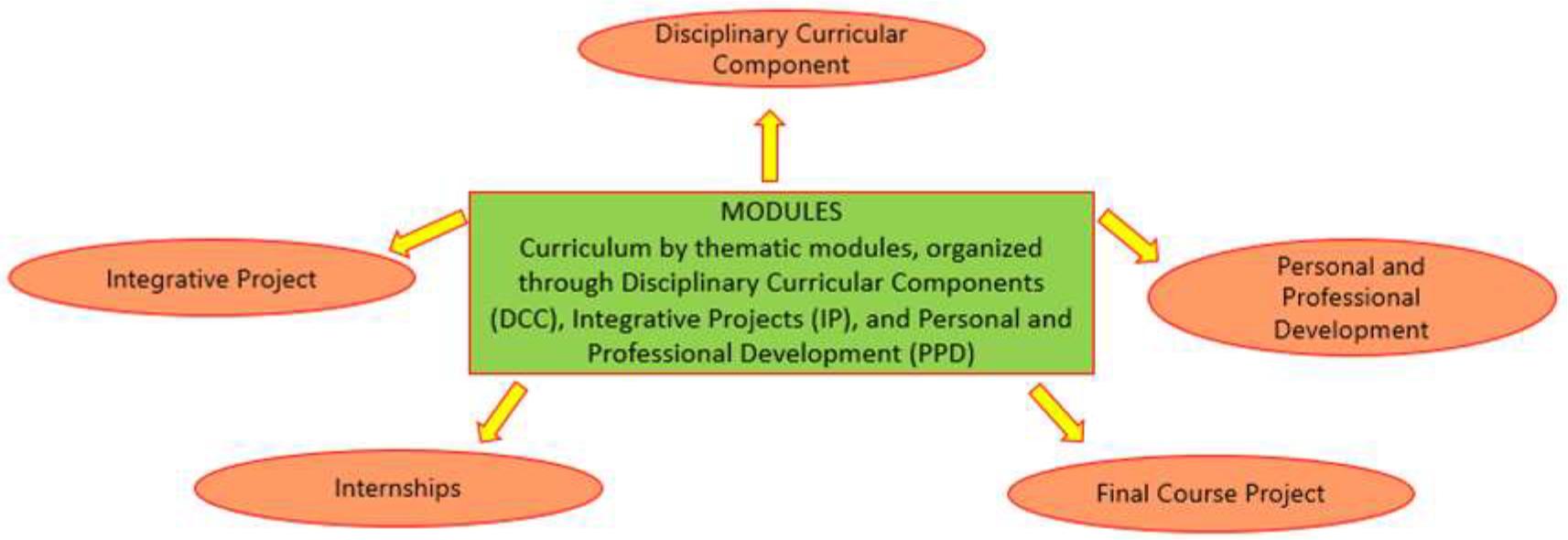
Firstly, the Pedagogical Project of the Course was structured in a modular format, considering the graduate profile, the fields of professional practice, the workload, and the themes indicated in the previously mentioned Resolutions. The thematic module assumes that knowledge is addressed in a parallel and integrated manner among the different professors involved, making it impossible for any faculty member to work in isolation without collaborating with their peers. Each module consists of Disciplinary Curricular Components, Integrative Projects, Personal and Professional Development, Internships, and/or the Final Course Project.
The Disciplinary Curricular Components are central structures within the modules through which competencies are developed, taking into account the real professional context in the field of Physical Education. For this reason, these components are more numerous in each module.
The Integrative Projects are courses aimed at articulating and mobilizing the competencies studied in the Disciplinary Curricular Components of the module, addressing real demands submitted to Unijuí by different sectors of the regional community (companies, schools, city governments, industries, gyms, etc.) through a registration system on the University’s website. This seeks to overcome the notion of learning theory first and only later applying it in practice, by understanding that knowledge is learned and developed by integrating theory and practice in the process of finding solutions to real-world challenges and situations (Fidene, 2023).
The Personal and Professional Development (PPD) is composed of a set of disciplinary curricular components, focusing on the development of personal and professional competencies related to education and citizenship. This allows students to learn about important topics for critical education, in alignment with the National Curriculum Guidelines, Federal Legislation on the matter, the Institutional Pedagogical Project, and the Institutional Development Plan of the University (Fidene, 2023). Students are required to choose six PPD courses to take throughout their studies, representing a flexible aspect of the course.
In these three elements of the module, 25% of the total time allocated to curricular components is dedicated to Independent Studies. This is a time when students engage in activities assigned by the professors but without the teachers' presence. For example, in an 80-hour disciplinary curricular component, students will have 60 hours of direct/in-person contact with professors and 20 hours of activities such as reading books, chapters, and articles, watching videos, listening to podcasts, completing homework, among other tasks. These activities serve as preparation for the next class - following the flipped classroom approach - or as a way to assess their learning from the previous class.
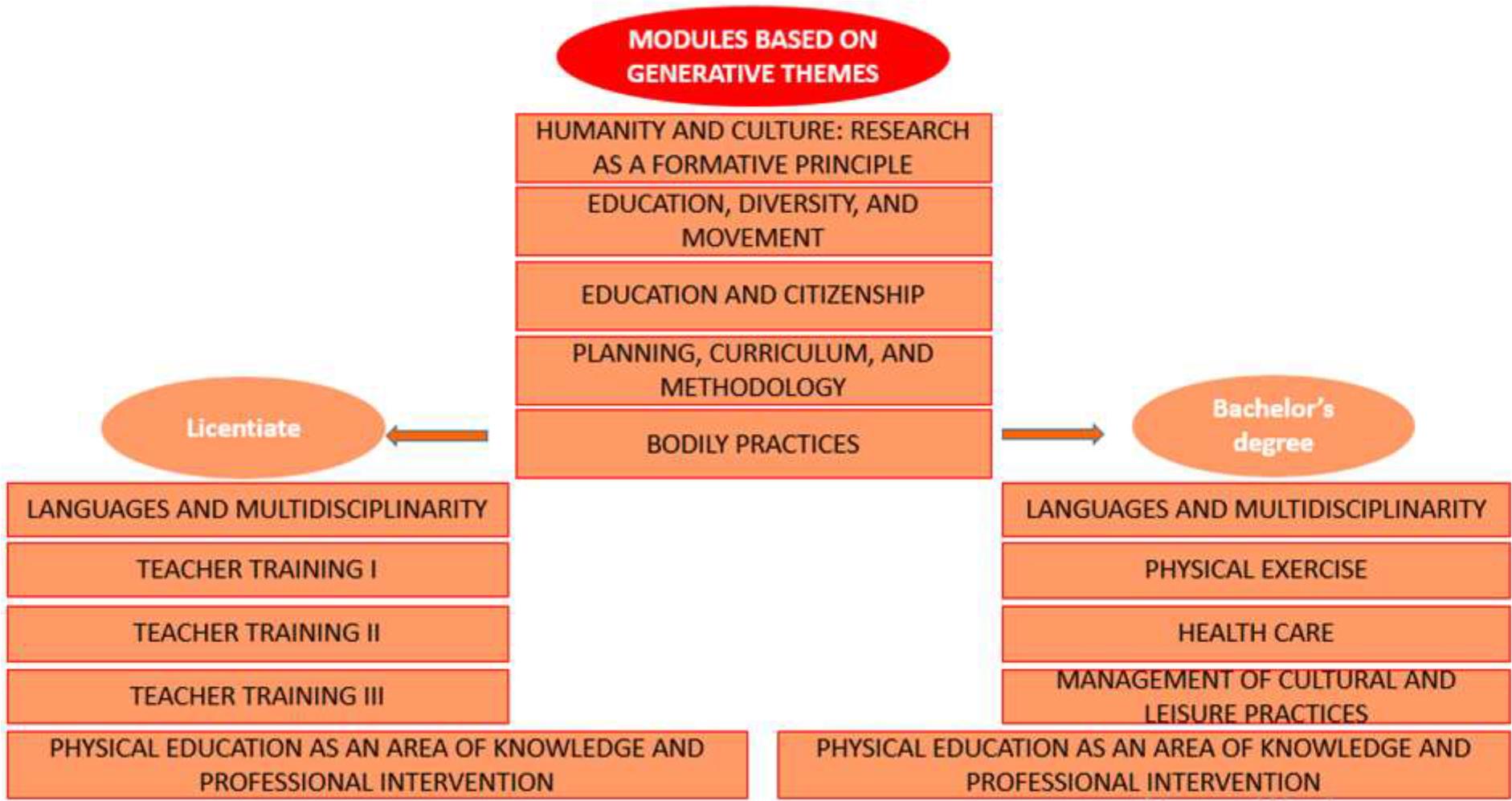
After determining that the course would consist of ten modules, Generative Themes were established, taking into account the professional fields of the course and the competencies outlined in the respective National Curriculum Guidelines. These themes aim to promote the articulation, integration, and interdisciplinarity of knowledge. Here are the generative themes adopted at each stage of the program:
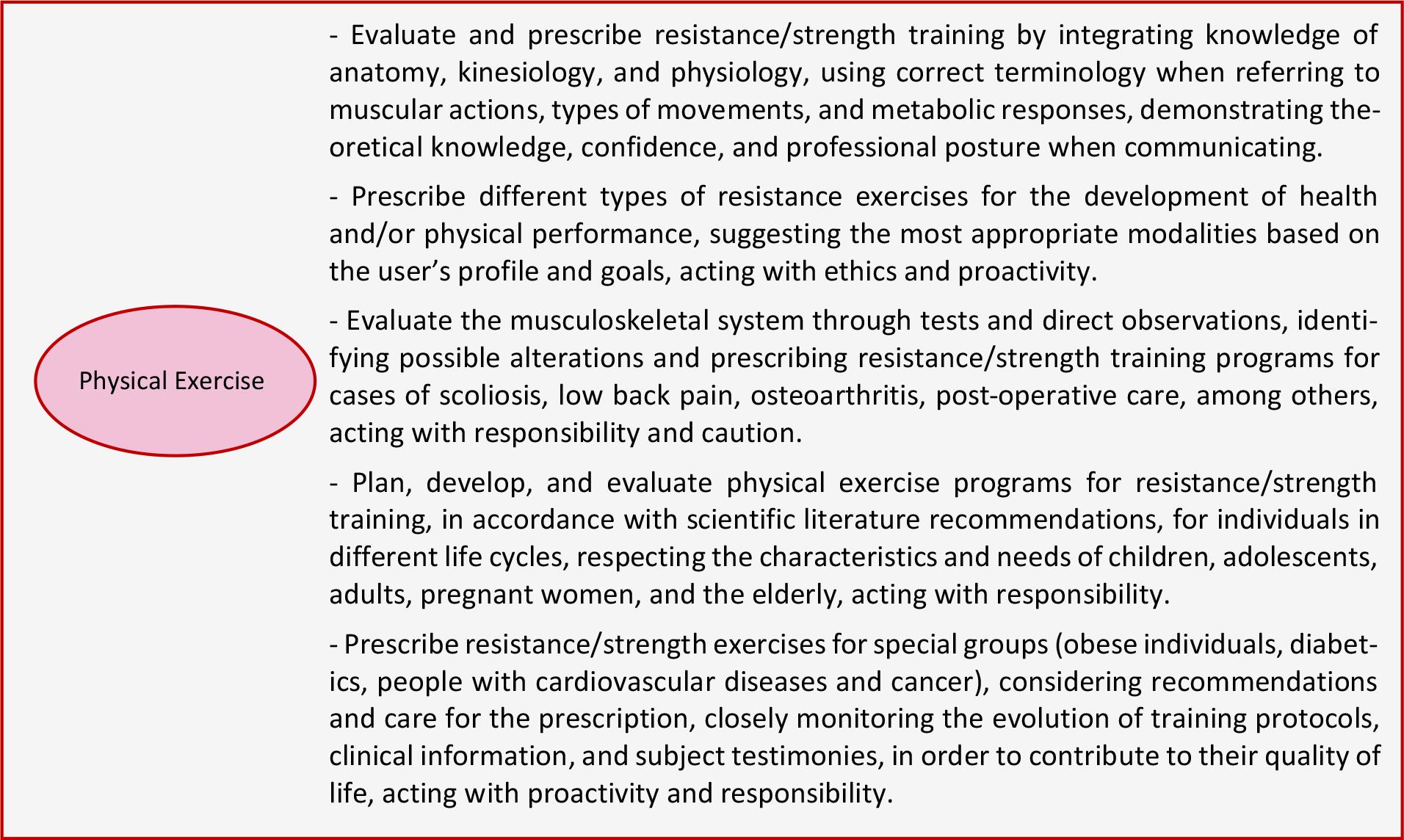
With the definition of the modules and their respective generative themes, the next step was to establish the competencies. In this process, considering (a) Resolutions and Opinions of the National Education Council, (b) the last two Pedagogical Projects of the Physical Education course, and (c) the Teaching Plans of the curricular components at the time, various competencies were created for each generative theme. The following image, as an example, presents competencies under the generative theme "Physical Exercise".
Based on the established competencies, a structure was developed following a sequence of steps. The following figure aims to represent and highlight this process:
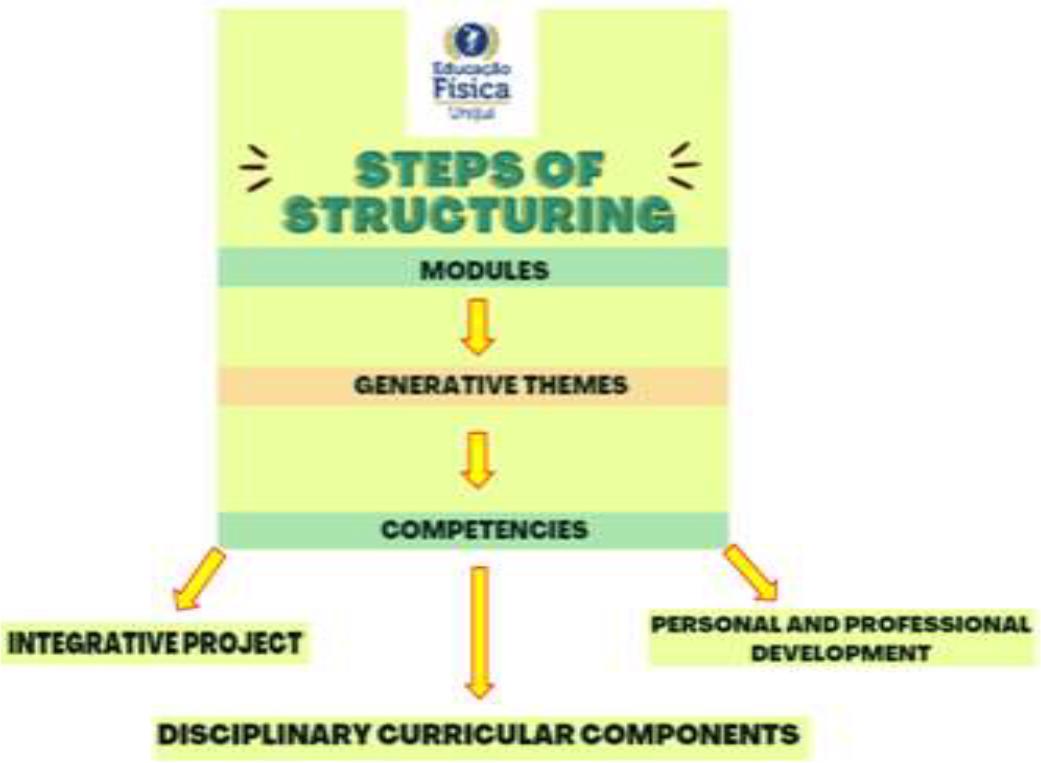
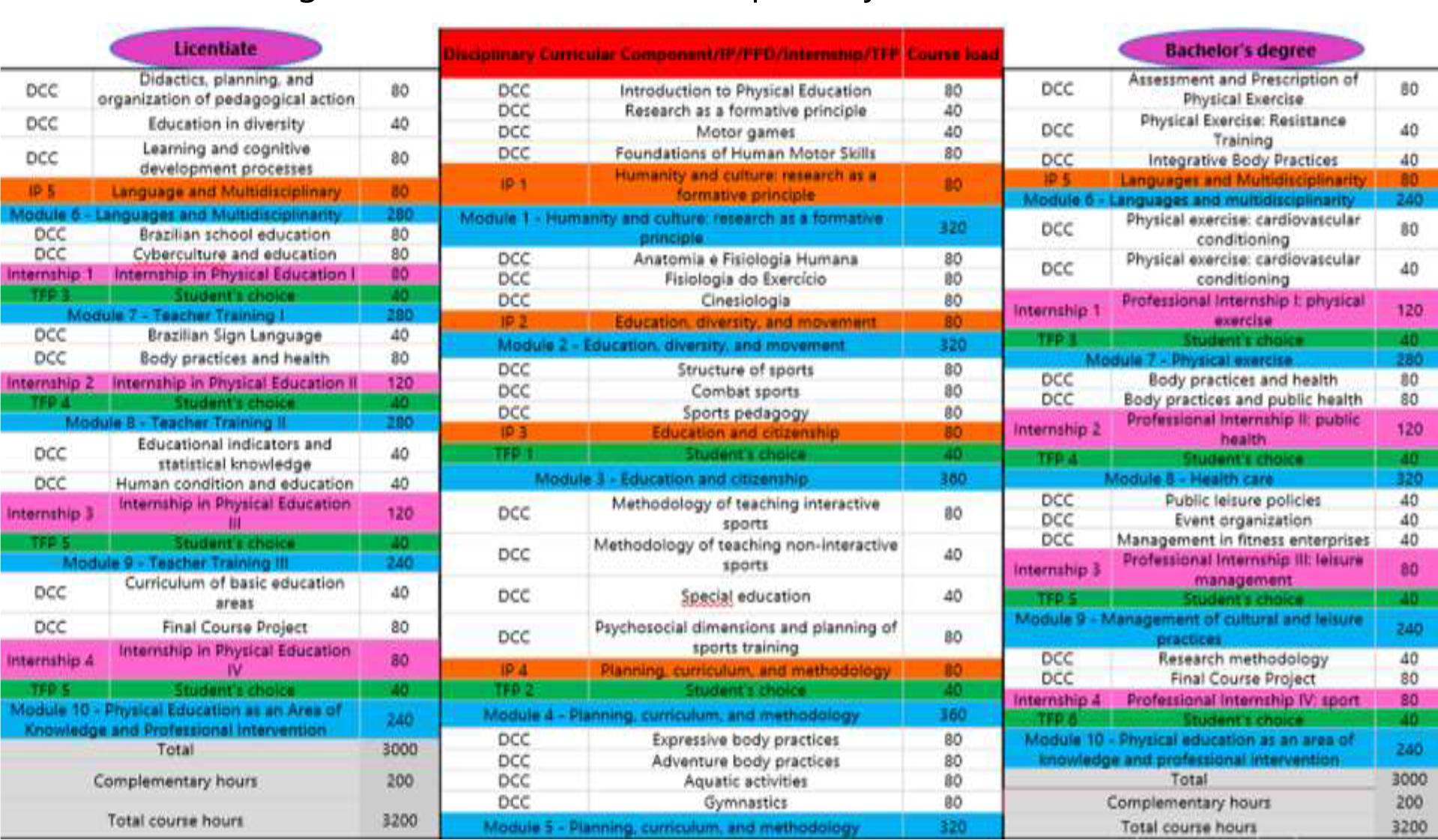
Subsequently, attention focused on the composition and identification of the Disciplinary Curricular Components, Integrative Projects, Personal and Professional Development, Internships, and the Final Course Project, considering the workload of each module, the generative themes, and the competencies. Thus, the modular educational pathway of the curriculum was structured as follows:
3 The methodological process in the physical education course at Unijuí
To develop the presented structure from a competency-based perspective, changes were necessary in various areas. An important shift occurred in the components of the teaching plans, as new items were included. In previous plans, the structure was as follows: Course Description, Objectives, Program Content, Teaching Methodology, Evaluation Process, Basic Bibliography, Supplemental Bibliography, and Activity Schedule. Currently, in addition to these, the structure of the teaching plans also includes the following topics: General Competencies of the Module, Specific Competencies of the Course, Skills to be Developed by the Student in the Module, and Attitudes to be Developed by the Student in the Module.
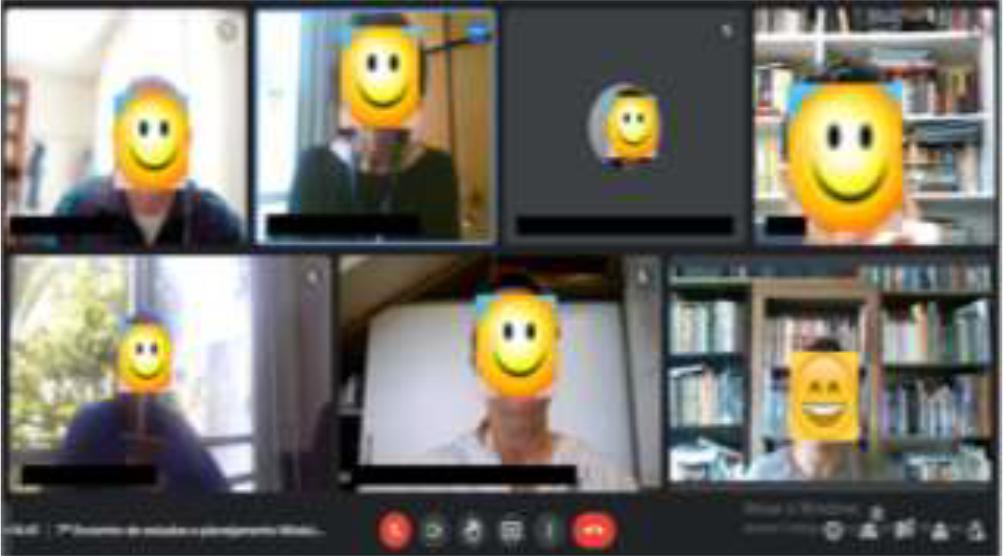
Methodologically, the development of classes in the Physical Education course at Unijuí underwent drastic changes, marking a significant shift in how classes were previously planned, conducted, and evaluated. The first step in this methodological transformation was to establish that all professors assigned to a module in a given semester, along with the course coordinator, would form a study group to collaboratively plan the integrated work in each module. Every two weeks, on Friday afternoons, the group met to study and collectively decide how the teaching and learning process would be implemented. The following image shows a moment from one of the study group meetings.
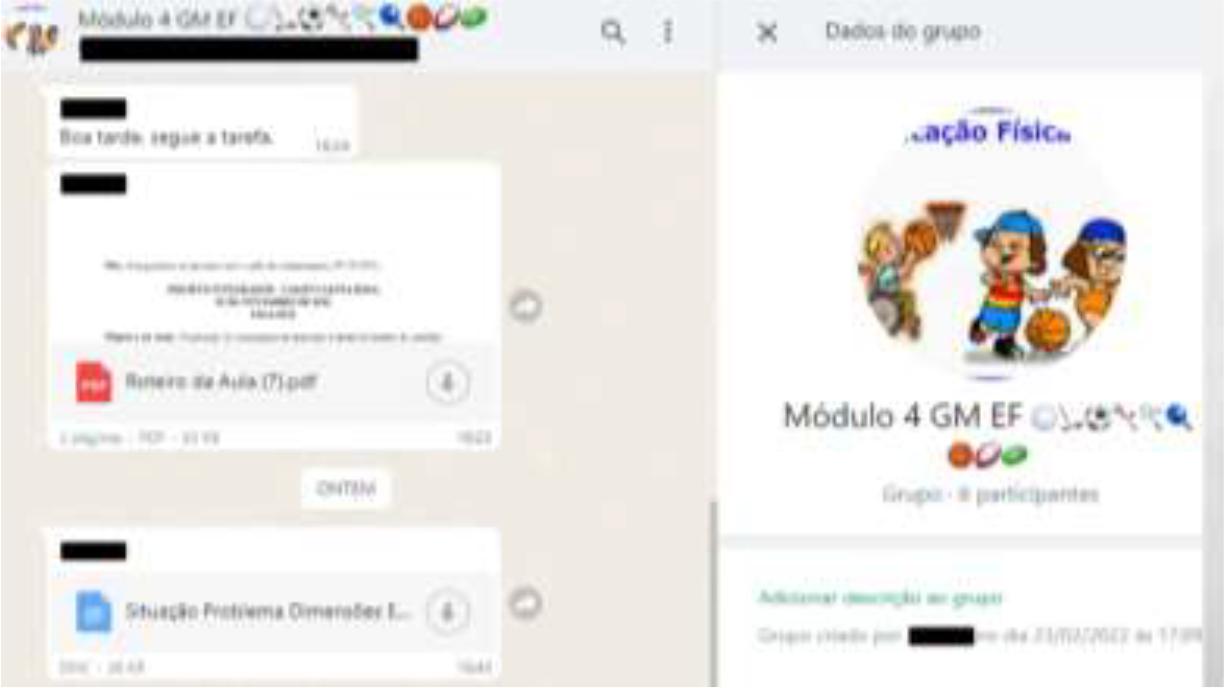
From the group planning, the professors assigned to each module carried out the following actions, chronologically: they developed initial proposals for the teaching plans of each Disciplinary Curricular Component they would teach; presented the teaching plans for peer review; established criteria for evaluating the teaching plans; analyzed and provided feedback, critiques, and suggestions on their colleagues' plans; revised/improved their plans based on the feedback received and presented them again to the group; collaboratively planned the development of the classes; defined criteria to assess whether each class considered the three elements of competency and the active participation of students; studied diversified assessment tools, considering both student learning and their own performance; and defined a methodological strategy for conducting the classes. All these actions were shared among the professors in a group created on the WhatsApp application for instant messaging, document sharing, and voice and video calls, as indicated by the following record.
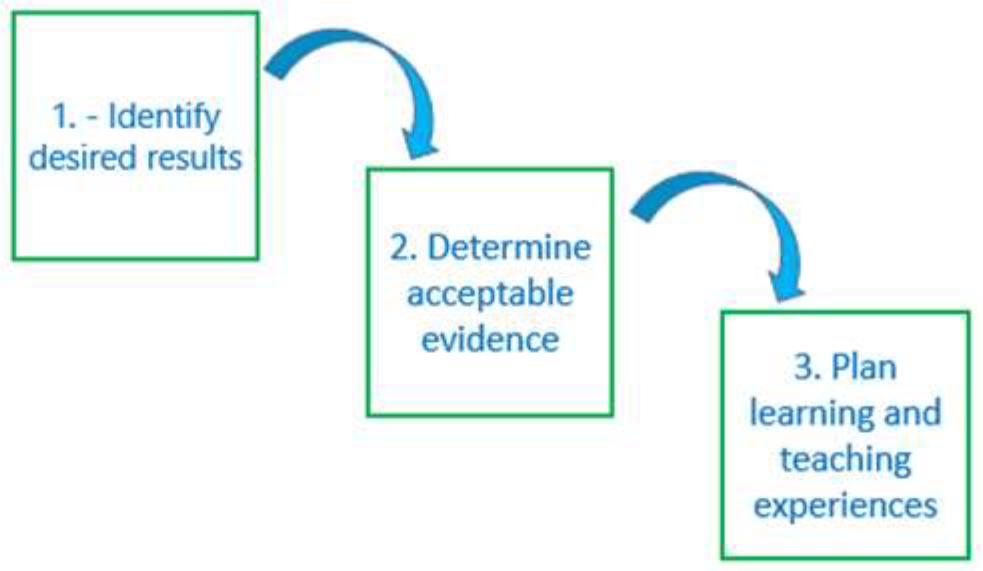
In the structuring of lesson plans, the planning was guided by the concept of "Backward Design" proposed by Wiggins and McTighe (2019). According to the authors' proposal, the first step is to identify the desired outcomes, then determine the evidence of learning, and only afterward, plan the learning experiences. This approach represents a change from the way Physical Education professors at Unijuí previously structured their planning, as in Wiggins and McTighe's method, the evidence of learning - linked to the evaluation process - is defined before the methodological process, as illustrated in the following image.
Regarding the definition of a methodological strategy for conducting classes, among many possibilities that encourage active student participation2 (project-based learning, case studies, mock trials, among others), the study group chose to develop the teaching and learning process based on "problem situations." This means that the competencies established in each Disciplinary Curricular Component are developed through situations created by considering professional practice spaces in the field of Physical Education, in interface with other areas, drawing on the professors' knowledge of experiences, facts, and events related to the professional environment that students, interns, and graduates from Unijuí have experienced or are currently experiencing.
In the process of creating problem situations, all the content, skills, and attitudes were considered and used as aspects that should be included in at least one of the problem situations. As an example, the following is a problem situation used in the curricular component "Methodology of Teaching Sports with Interaction," which I taught in the 2nd semester of 2022:
Problem Situation 7: While accessing Google Scholar to research tactical intentions, Physical Education teacher Sinara - who works in elementary school in Ijuí/RS - came across a Final Course Project conducted by Vivian Nascimento in 2017 at Unijuí. The title of the project (Possibilities of Transfer of Tactical Intentions Between Invasion Sports) caught Sinara’s attention, as she found the idea of “transfer” of knowledge from one sport to another strange, since this topic was not covered in her undergraduate program, which she completed in 2004. After reading the entire project, Sinara decided to propose to the other two Physical Education teachers working with her at the school a collaborative planning process aimed at utilizing the transfer of tactical intentions throughout the years in school Physical Education. After discussing the idea with her colleagues, they became interested and asked Sinara to send a WhatsApp message summarizing “what it is” and “how it works,” referring to the transfer of tactical intentions between sports. When she started writing the message, Sinara realized she had doubts and did not fully understand the topic to explain it to her colleagues. Therefore, together with your group members, write a WhatsApp message through which Sinara can briefly explain this topic to the other teachers.
The purpose of this example is to demonstrate that the method adopted in the classes consisted of attempting to solve problem situations (problem-based learning) as the central activity of the lessons. This approach represents an extremely challenging shift, as the majority of the teachers participating in the study group previously conducted their classes primarily through lecture based teaching.
With the change, in general, the teacher initially presents the problem situation for the students to analyze, ask questions, and identify the topics that need to be studied in order to propose a solution. Subsequently, a discussion takes place regarding the questions raised by the students. Following this, the preliminary responses to the problem situation are presented. After the sharing and discussion of the preliminary proposals, the students reflect on their peers' comments and submit the final solution for each problem situation3.
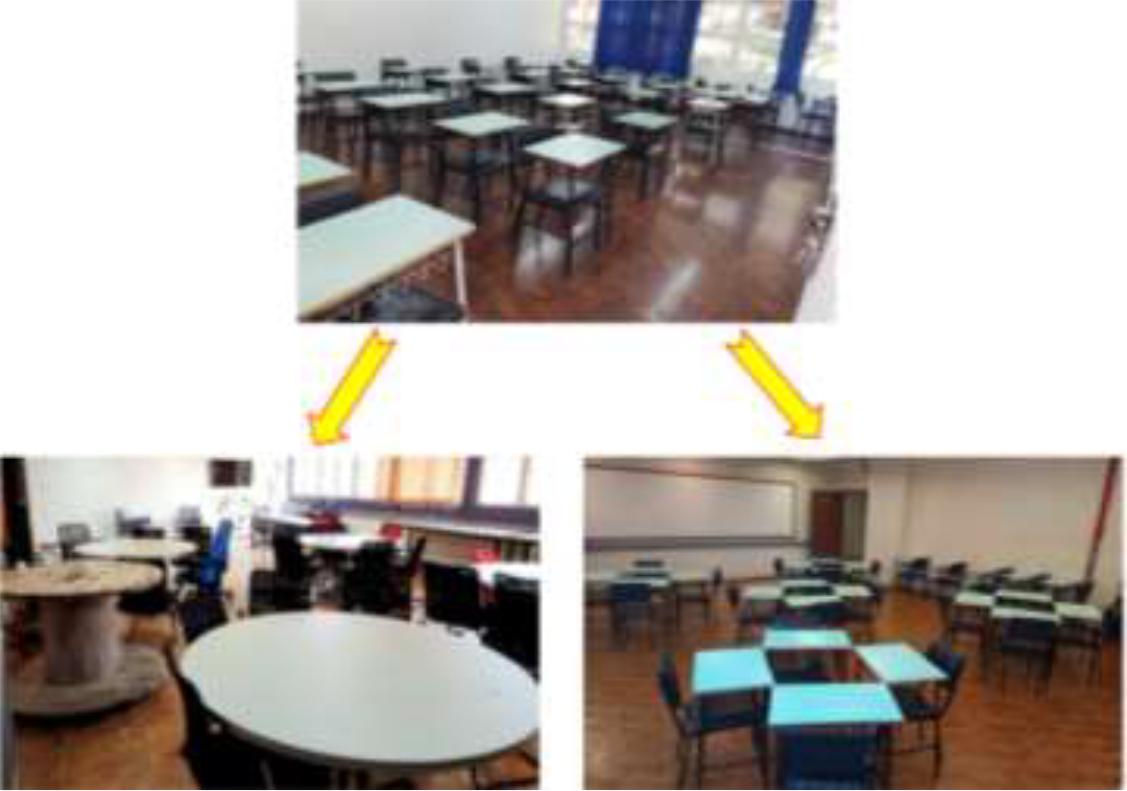
In this scenario, for the majority of the class time, students work in small groups. Taking as an example the classes I taught under the new curriculum, when the students arrived in the classroom, they found the desks and chairs arranged in a circle - not in rows anymore - as an indication that they would need to engage in dialogue with their peers, sharing knowledge to learn and present solutions to the problem situations. The following figure illustrates this change.
4 Initial impacts of the restructuring of the physical education course at Unijuí
In analyzing the first two years of the implementation of the new Physical Education course at Unijuí, across its first four modules, it is possible to identify several results related to both the successes achieved and the challenges faced. Due to the space limitations of this text, I present some findings related to both the changes in the way teachers involved in the study group understood planning and teaching, as well as the students' perceptions.
Regarding the first point, as an example, I highlight the changes among teachers in relation to the development of teaching plans, the structuring of lessons in distinct phases, and the evaluation process. After creating the teaching plans, the study group established criteria to analyze them, re-evaluating and submitting the initial plans for peer review. These evaluations were conducted using the following criteria:
- Do the problem situations address all the competencies, content, skills, and attitudes outlined in the teaching plan?
- Does the presented methodological process indicate the need for active student participation in their learning process?
- Do the problem situations present a "problem" to be solved, requiring a solution?
- Is the "problem" feasible for students to analyze and respond to during the Disciplinary Curricular Component?
- Are the three elements of competency (knowledge, skill, and attitude) assessed?
- What tools are used to present evidence of learning?
- Are the tools used for learning assessment diverse?
- Do the activities in Independent Studies connect with the development of competencies, integrating topics to be addressed in the following class or complementing what was previously studied?
This stage represented a transformation in the teachers' planning, as they revised their initial plans several times based on feedback from their peers. Similarly, the classes evolved to a much more developed structure compared to what was previously done. Most teachers came to recognize that a lesson can consist of different phases, each involving distinct learning situations. Additionally, many teachers realized that choosing a specific task or form of intervention leads to a particular type of student participation, either more active or passive. As a result, teachers began paying greater attention to planning, organizing lessons into different sections/phases, as exemplified in Table 1.
Frame 1 Example of lesson planning from the study group
| 11th Lesson Plan |
|---|
| Disciplinary Curricular Component: Methodology of Teaching Sports with Interaction |
| Problem Situation: Mônica is a 4th-semester student in the Physical Education program and was selected to work 20 hours per week as a paid intern at a multi-sport training school (offering basketball, handball, and futsal training) in Santa Rosa/RS. During her first planning meeting with the team, Mônica was tasked with presenting a teaching unit to develop 4 tactical intentions (Passing the ball to an unmarked teammate, Positioning between the attacker and the goal, Getting unmarked to receive the ball, and Finishing in favorable conditions) in 10 training sessions, for each of the sports the school teaches (thus, she will need to create 3 teaching units). Since Mônica did not actively participate in the classes where this topic was covered, she is not familiar with the subject and has asked for help from the students of "Methodology of Teaching Sports with Interaction" at Unijuí. Together with your group members, present a solution for Mônica's request. |
|
Class Phases (Lesson Plan): 1st Phase: The teacher presents/reads the problem situation to the students. 2nd Phase: In groups of 3 or 4, the students discuss what they believe needs to be done to solve the problem presented. 3rd Phase: The groups share their understanding of what the problem situation requires. 4th Phase: Based on the groups' insights, the teacher clarifies the focus of the problem situation and what is expected of the students. 5th Phase: The students discuss their understanding of the term "teaching unit”. 6th Phase: The groups present their discussions. 7th Phase: Based on the students' presentations, the teacher asks questions to challenge their assumptions, integrating different and complementary views from the students. 8th Phase: "Open dialogues" take place (conversations between different groups) about the teaching unit. 9th Phase: The teacher presents a definition of the term "teaching unit," using examples relevant and understandable to the students' real context. 10th Phase: The teacher invites students to ask questions. 11th Phase: Moving to the second theme of the class, the teacher highlights on the board/projection the 4 tactical intentions presented in the problem situation, asks the groups to discuss what each tactical intention means, and identify which sub-role each is related to. 12th Phase: The groups present their understanding of each tactical intention and identify the subroles to which they are related. 13th Phase: If necessary, the teacher explains or clarifies the students' understanding of the tactical intentions and corresponding sub-roles. If the students have understood, the teacher complements their insights by emphasizing key points and student comments. 14th Phase: In pairs, the students attempt to create a teaching unit for the 4 tactical intentions mentioned, according to the problem situation. 15th Phase: After the break, the practical class begins in the gymnasium. The teacher will develop the 1st session plan (summarized, around 30 minutes) to work on the tactical intention "pass the ball to the unmarked teammate," following this sequence: initial game; tactical awareness; task; final game. 16th Phase: If time allows, the teacher will develop the 2nd session plan (summarized, around 30 minutes) to work on the tactical intention "positioning between the direct attacker and the goal”. 17th Phase: The teacher concludes the class by emphasizing the importance of mastering the topics covered today as Physical Education professionals. Obs.: The next class will begin with the sharing of solutions to the problem situation worked on today, for peer review and feedback. Based on the comments and suggestions, each group will be able to rethink and revise their proposals. |
Source: Own elaboration
This evolution in lesson organization was influenced by the agreement made within the study group to submit each lesson plan to the following evaluation criteria:
With the lesson plan I presented, is it possible to identify whether students will have an active or passive role for most of the class: ( ) Yes ( ) No.
For most of the class, will students have an active or passive role?
Are the three elements of competency (knowledge, skill, and attitude) included in the lesson plan: ( ) Yes ( ) No. If not, which element is not included?
At what points in the lesson are the three elements of competency included?
Regarding the evaluation process, the teachers expanded the variety of assessment tools in each Disciplinary Curricular Component, aiming to include the three elements of competency, which was not done in the previous curriculum. As an example, I cite one of the tools used in the curricular component "Methodology of Teaching Sports with Interaction" in the 2nd semester of 2022:
Proposals for Problem Situations: 13 points (1 point for each problem situation). Student participation in the process of developing response proposals for the 13 problem situations will be evaluated in three dimensions related to the competency perspective: (1) aspects of "being," (2) aspects of "knowing," and (3) aspects of "doing." In the first aspect, the following will be assessed: Does the student actively participate in group discussions, aiming to raise questions and propose possible solutions to the problems? (0.1 point); Does the student present their arguments coherently, politely, and respectfully, while critically considering and analyzing their peers' opinions? (0.2 points). Regarding the second aspect: Does the student understand the knowledge covered in the classes and Independent Studies, considering the theories and concepts adopted as key elements in solving the presented problems? (0.3 points). In the third aspect, the evaluation will assess: Does the student implement proposals for the problem situations that are coherent and aligned with the studied bibliography, covering all elements contained in the problem statements? (0.4 points).
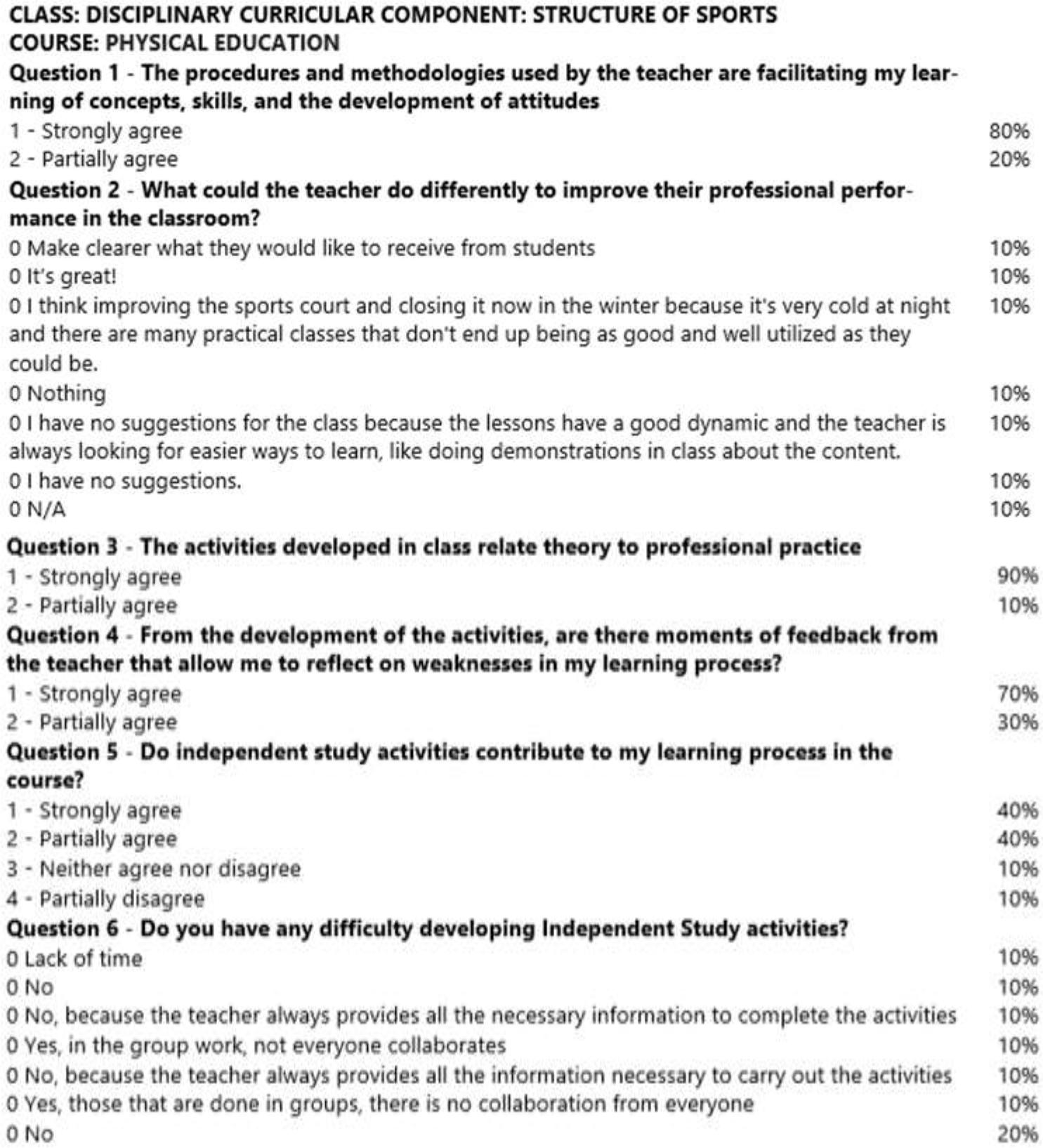
When analyzing students' perceptions, based on the semesterly evaluations they conduct for all Disciplinary Curricular Components, it is clear that they evaluate the new curriculum positively. When considering their feedback on the methodological procedures, the relationship between the subjects studied and professional practice, the moments of feedback on learning, and the tasks assigned as independent studies, there is evidence of student recognition and satisfaction, as indicated in Figure 11.
Source: Own elaboration
Figure 11 Evaluation of the curricular component "sports structure" conducted by students at the end of the 1st semester of 20224
On the other hand, in this context of change, several challenges emerged. One of them was the difficulty faced by the group of teachers in recognizing that the curriculum is structured as a "modular system" (Disciplinary Curricular Component, Integrative Project, Personal and Professional Development, Internships, Final Course Project) - as highlighted in Figure 12 - which requires articulation and dialogue between the modules and their instructors. Therefore, considering that it is no longer possible to teach as was done in the past and as the teachers were trained, the need and importance of continuous - weekly - dialogue with all colleagues involved in the module emerged, fostering a collective and collaborative approach based on the components being taught.
Another challenge was the shift from student performance assessment focused excessively on content memorization to a process that demands the understanding and mobilization of knowledge, grounded in attitudinal values, in real-world contexts. The following figure contains images of interventions carried out by students in the Disciplinary Curricular Component "Sports Structure" with students from a public school, aiming to demonstrate their learning about the classification of sports (Brazil, 2017).
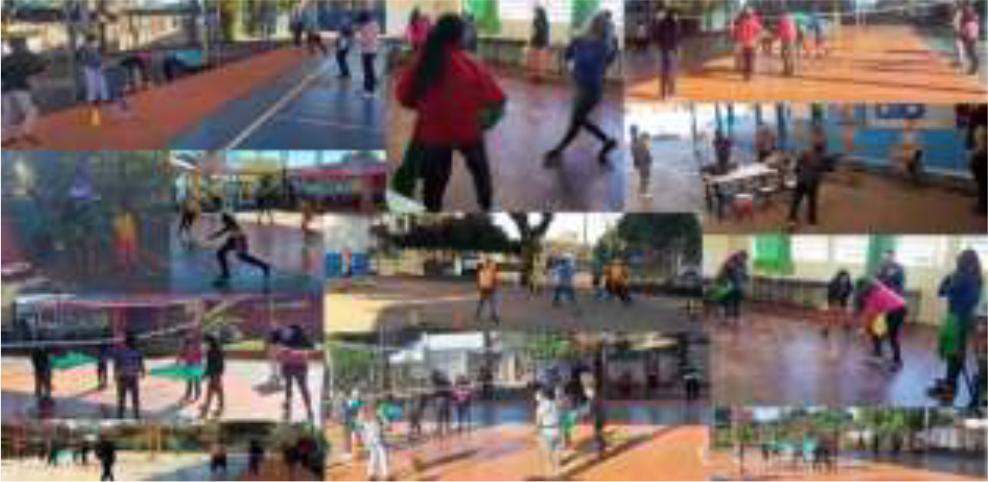
Partial understanding of the constituent parts of competency was another challenging aspect for the teachers who were new to the study group. Some educators took time to understand that, from the competency perspective adopted by Unijuí, content is an important/central element of competency, but not the only one. The triadic components of competency indicate that understanding content in isolation is not enough; it is necessary to mobilize what has been learned considering real-life situations. Thus, it is evident that transitioning from thinking about teaching in terms of "content," as educators had done for many years, to developing the teaching and learning process "through competencies" is difficult. As Tardif (2014) explains, when teachers have been teaching for a long time, they are not merely doing something; they are also performing a part of themselves, with identities and marks of their activities, with much of their existence characterized by professional practice. Therefore, it is important for higher education teachers to have opportunities to reflect, discuss, and analyze - specifically within their areas of expertise - the difference between the "content-based" and "competency-based" approaches to teaching.
5 Conclusion
In analyzing the first two years of the implementation of the Physical Education program at Unijuí from a competency-based curriculum perspective, it is possible to identify a series of changes, difficulties, and challenges in the process. These are outcomes of various factors that influence the attempt to enhance the quality of the new way of planning and developing teaching and learning actions in initial teacher education. My assessment is that, on one hand, there have been advances in several aspects, but on the other, there are important areas that still need improvement.
Among the stakeholders involved, the students consider the new course organization to be productive, attributing merit to the methodological procedures and the teachers' efforts aimed at enhancing their knowledge.
Regarding the teachers participating in the study group, I observe a journey of dedication and commitment that has enabled them to transform their understanding and teaching practices. This evolution involves intellectual openness and humility to study in a group and receive feedback and suggestions from peers, in a truly collaborative and emancipatory effort. In this process of continuous learning, the teachers progress and position themselves at different levels in terms of planning, developing, and evaluating competency-based lessons.
In the specific case of teacher education, the competency-based curriculum aligns with the National Curriculum Guidelines for Initial Teacher Education for Basic Education, which have followed this approach for more than four years. In alignment with these Guidelines, the current Physical Education curriculum at Unijuí has provided a broader education for students, taking into account the analysis of the effective mobilization of what is studied in contrast with the professional field.
Additionally, the competency-based curriculum has brought about significant progress compared to the previous approach, particularly in three aspects: 1) it effectively considers professional practice in real-world contexts from the beginning of students' education; 2) it recognizes that the attitudinal dimension is an important and present element in both professional and personal actions, which influences professional conditions, especially in the lives of young people today; 3) it identifies and builds on "what" students already know about the subjects being studied, encouraging them to actively participate in constructing their knowledge, considering the set of meanings each student develops. In this sense, it is evident that it is possible to maintain theoretical and conceptual rigor, ensuring that theories and concepts are not neglected but rather form a theoretical framework that supports practice.
Nevertheless, since attempting to teach through competencies is challenging, there is still much to study, learn, test, and improve in the coming years5. As an area for growth, I believe a major challenge lies in establishing what I would call "effective conditions" for all teachers to be able to develop their classes from a competencybased perspective. My hypothesis is that some teachers (especially those who did not participate in the study group) are still not confident in delivering lessons using this model. Therefore, they may struggle to answer or confirm, for example, whether the three elements of competency are addressed in their lessons - at what points - and whether the evaluation process considers skills and attitudes, not just content.
Therefore, I believe it is necessary to implement continuous, systematic, and collaborative studies among groups of teachers as an instructional perspective for ongoing professional development in higher education, preferably on a weekly basis or, at most, biweekly. This approach would assume that the potential for success in this shift in education depends not only on recognizing that the moments of planning and preparation require more attention and time, but also on ensuring that the planning and studies are more collective and less individual.
Obviously, change is difficult, especially in a context where there is a tradition of thinking about classes as they were 40 years ago, when the student was merely a recipient of information. At that time, there were no cell phones, and today's computers and the internet did not exist. The world has changed, medicine has evolved, technology has advanced, and education is not excluded from this process (Antunes, 2007). In this sense, Bachelard's (1977, p. 31) understanding gains strength: "continuing to be a student should be the secret vow of every teacher," after all, the profession "[...] requires teachers to engage in a process of continuous development throughout their careers, so that they can keep up with change, review and renew their own knowledge, skills, and perspectives on teaching and learning" (Behrens, 2007, p. 452).
1An important point to mention is that the adoption of the Resolutions does not mean that the group of course professors is without criticism of them quite the opposite. However, as Nobre (2011) highlights, considering the legal frameworks, nothing prevents compliance with legal norms while simultaneously questioning them.
2This understanding considers that, in general, students can play either a "passive" or "active" role in class (González; Bracht, 2012). Passive when the teacher proposes what is to be done as a model to be copied, without the student needing to create responses for a given situation, in which "students may be seen more as receivers of pre-formatted information [...]" (Graça; Mesquita, 2006, p. 211). On the other hand, active student participation in class occurs when they effectively engage in the construction of knowledge, skills, and attitudes, requiring them to "[...] develop their 'own answers' about what they are learning, seeking, based on experience, the formulation and testing of hypotheses, as well as formulating questions and answers to difficulties [...]" (González; Bracht, 2012, p. 83).
3In this process, each teacher selects from different methodological strategies according to the students' needs: pre-class questions produced by students based on their engagement with materials before the lesson (topics are addressed based on the students' questions), moments of inquiry/reflection/discussion in class, debates with rebuttals and counter-rebuttals, games like Kahoot, discussions about texts and videos, text production, infographics, etc.
4The criterion for choosing to present this course is the fact that it is the most recent one I taught with a completed evaluation. The only course I taught in the 2nd semester of 2022 had not yet completed the evaluation process at the time of writing this text.
5Additionally, a limitation of this study concerns the difficulty in engaging with references that have addressed similar issues, as professional training from a competency-based perspective in Physical Education higher education courses is still an emerging topic in Brazil.
REFERENCES
ANTUNES, Celso. Professores e professauros: reflexões sobre a aula e práticas pedagógicas diversas. Petrópolis: Vozes, 2007. [ Links ]
BACHELARD, Gaston. O racionalismo aplicado. Rio de Janeiro: Zahar, 1977. [ Links ]
BEHRENS, Marilda Aparecida. O paradigma da complexidade na formação e no desenvolvimento profissional de professores universitários. Educação, Porto Alegre, ano XXX, v. 63, n. 3, p. 439-455, set./dez. 2007. Disponível em: https://revistaseletronicas.pucrs.br/ojs/index.php/faced/article/view/2742. Acesso em: 05 out. 2023. [ Links ]
BRASIL. Conselho Nacional de Educação. Resolução CNE/CP nº 2, de 20 de dezembro de 2019. Define as Diretrizes Curriculares Nacionais para a Formação Inicial de Professores para a Educação Básica e institui a Base Nacional Comum para a Formação Inicial de Professores da Educação Básica. Diário Oficial da União, Brasília. 2019. Disponível em: https://normativasconselhos.mec.gov.br/normativa/view/CNE_RES_CNECPN22019.pdf. Acesso em: 05 out. 2023. [ Links ]
BRASIL. Conselho Nacional de Educação. Resolução nº 6, de 18 de dezembro de 2018. Institui Diretrizes Curriculares Nacionais dos Cursos de Graduação em Educação Física e dá outras providências. Diário Oficial da União, Brasília. 2018. Disponível em: http://portal.mec.gov.br/docman/dezembro-2018-pdf/104241-rces006-18/file. Acesso em: 05 out. 2023. [ Links ]
BRASIL. Ministério da Educação. Base nacional comum curricular: educação é a base. Brasília, 2017. Disponível em: http://basenacionalcomum.mec.gov.br/images/BNCC_20dez_site.pdf. Acesso em: 05 abr. 2023. [ Links ]
FIDENE - FUNDAÇÃO DE INTEGRAÇÃO, DESENVOLVIMENTO E EDUCAÇÃO DO NOROESTE DO ESTADO DO RIO GRANDE DO SUL. Plano de desenvolvimento institucional (PDI Unijuí - 2020-2024) revisado/Fidene, Unijuí. Ijuí: Ed. Unijuí, 2023. 138 p. (Coleção Cadernos da Gestão Universitária; 75). [ Links ]
GONZÁLEZ, Fernando Jaime; BRACHT, Valter. Metodologia do ensino dos esportes coletivos. Vitória: UFES, Núcleo de Educação Aberta e a Distância, 2012. [ Links ]
GRAÇA, Amândio Braga dos Santos; MESQUITA, Isabel Maria Ribeiro. Ensino do desporto. In: TANI, Go; BENTO, Jorge Olímpio; PETERSEN, Ricardo Demétrio de Souza (org.). Pedagogia do desporto. Rio de Janeiro: Guanabara Koogan, 2006. p. 207-218. [ Links ]
NOBRE, Marcos Severino. Esquerda, direita e outras vias: parte 4. São Paulo: Instituto Moreira Salles, 2011. (Debate em vídeo). Disponível em: https://www.youtube.com/watch?v=4Hll1Cwz1fY. Acesso em: 07 out. 2023. [ Links ]
TARDIF, Maurice. Saberes docentes e formação profissional. Petrópolis: Vozes, 2014. [ Links ]
WIGGINS, Grant; MCTIGHE, Jay. Planejamento para a compreensão: alinhando currículo, avaliação e ensino por meio da prática do planejamento reverso. Porto Alegre: Penso, 2019. [ Links ]
ZABALA, Antoni; ARNAU, Laia. Como aprender e ensinar competências. Porto Alegre: Artmed, 2010. [ Links ]
Received: October 11, 2023; Accepted: September 10, 2024; Revised: September 19, 2024
 Este é um artigo publicado em acesso aberto (Open Access) sob a licença Creative Commons Attribution, que permite uso, distribuição e reprodução em qualquer meio, sem restrições desde que o trabalho original seja corretamente citado.
